
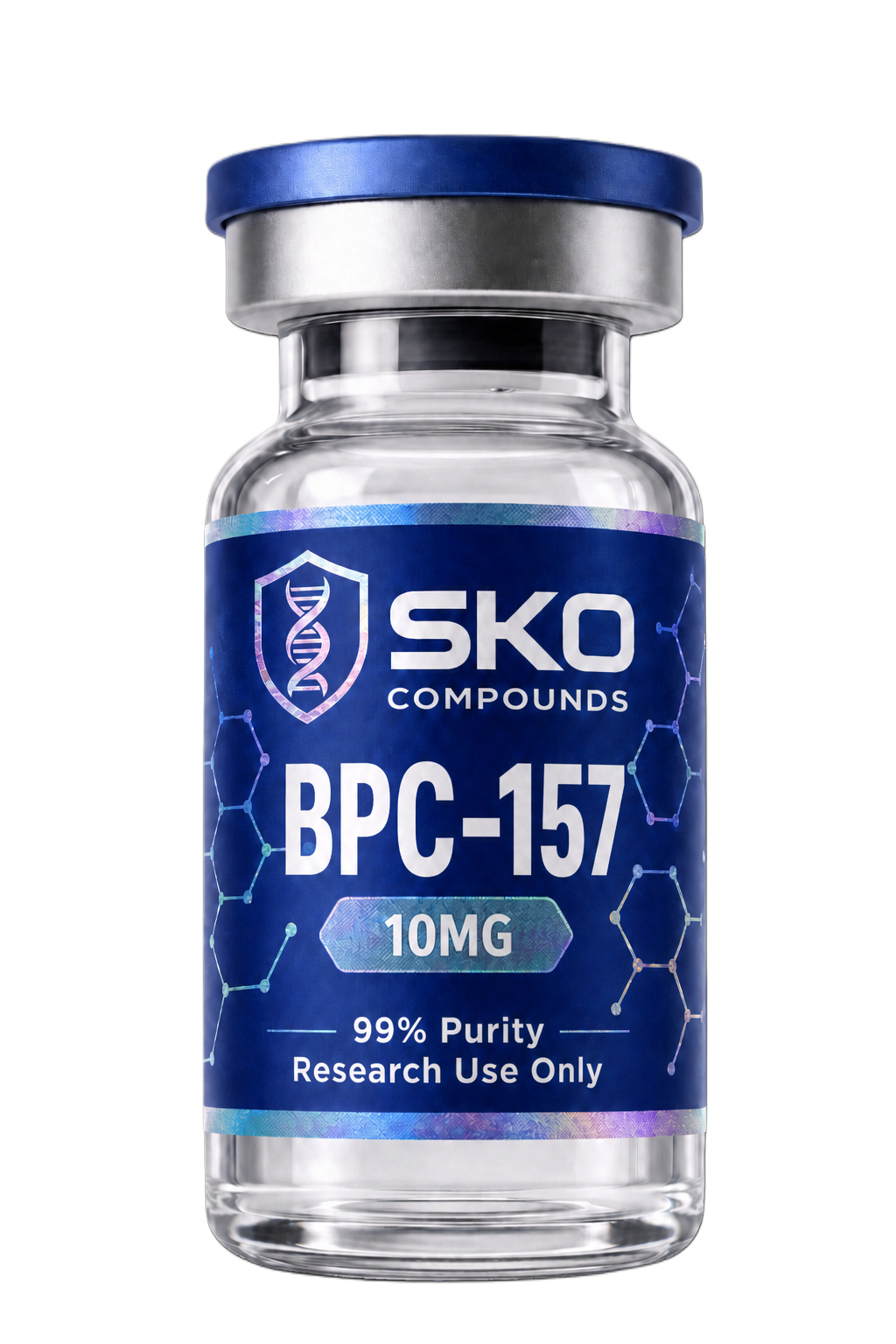
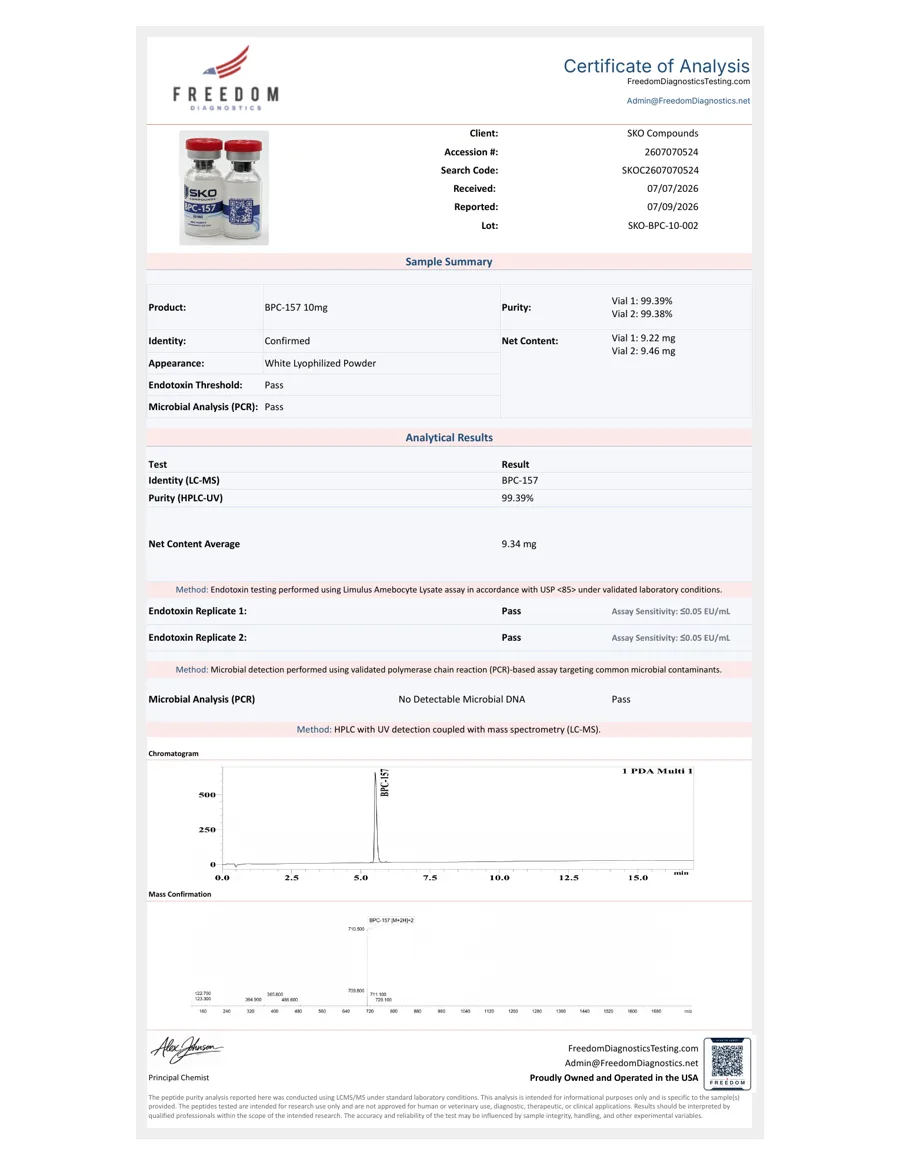
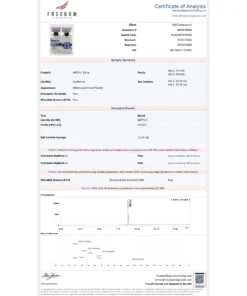
BPC-157
BPC-157 (Body Protective Compound) is a synthetic pentadecapeptide derived from human gastric juice. It has been the subject of numerous preclinical studies examining its interaction with nitric oxide systems, growth factor modulation, and gastrointestinal tissue models.
ow BPC-157 Works (Mechanisms)
In preclinical settings, BPC-157 acts as a cellular signaling molecule that triggers several repair pathways: [1]
-
- Angiogenesis: It accelerates the formation of new blood vessels by activating VEGFR2 and nitric oxide pathways. This delivers oxygen and nutrients to tissues that naturally have poor blood supply (like tendons and ligaments). [1, 2]
- Collagen Synthesis: It activates fibroblasts via the FAK-paxillin pathway. This boosts the physical scaffolding needed to rebuild connective tissue. [1, 2, 3]
- Inflammation Control: It modulates systemic stress pathways and reduces inflammatory cytokines, allowing constructive tissue repair to progress. [1, 2]
- Neuromuscular Stabilization: Research indicates it protects cell membranes, stabilizes nerve-to-muscle junctions, and preserves acetylcholine receptors. [1, 2]
Primary Areas of Research
-
- Tendons and Ligaments: Promoting recovery from Achilles tendon ruptures, rotator cuff tears, and sprains.
- Muscle and Bone: Speeding up recovery from severe muscle crush injuries and improving bone matrix deposition in fractures.
- Gastrointestinal Health: Due to its gastric origins, it is studied for its ability to heal the stomach lining, combat inflammatory bowel disease (IBD), and repair leaky gut. [1, 2, 3, 4, 5]
2026 Regulatory Status and Legality
The legal and regulatory landscape for BPC-157 is rapidly evolving:
-
- FDA Status: BPC-157 is not FDA-approved for human therapeutic use. In late 2023, the FDA prohibited compounding pharmacies from preparing it, citing safety risks and a lack of human data. However, the FDA Pharmacy Compounding Advisory Committee (PCAC) has scheduled a formal review to reconsider adding BPC-157 back to the 503A Bulks List, which would allow legal compounding under a doctor’s prescription. [1, 2, 3, 4, 5, 6]
- Sports & Military Bans: BPC-157 remains strictly prohibited under Class S0 (Non-Approved Substances) on the World Anti-Doping Agency (WADA) Prohibited List. It is also explicitly banned for active US military service members. [1, 2]
- The Human Data Gap: Despite robust animal data showing zero toxicity, large-scale, randomized human clinical trials are virtually non-existent. Only a few small pilot studies exist, meaning its long-term safety profile in humans remains technically unknown. [1, 2, 3]
If you want to look into the specifics, let me know:
-
- Are you curious about oral vs. injectable delivery methods?
- Would you like details on the upcoming FDA reclassification hearing?
- Do you want to see how its data compares to PRP (Platelet-Rich Plasma) therapy?
Reviews
There are no reviews yet.