
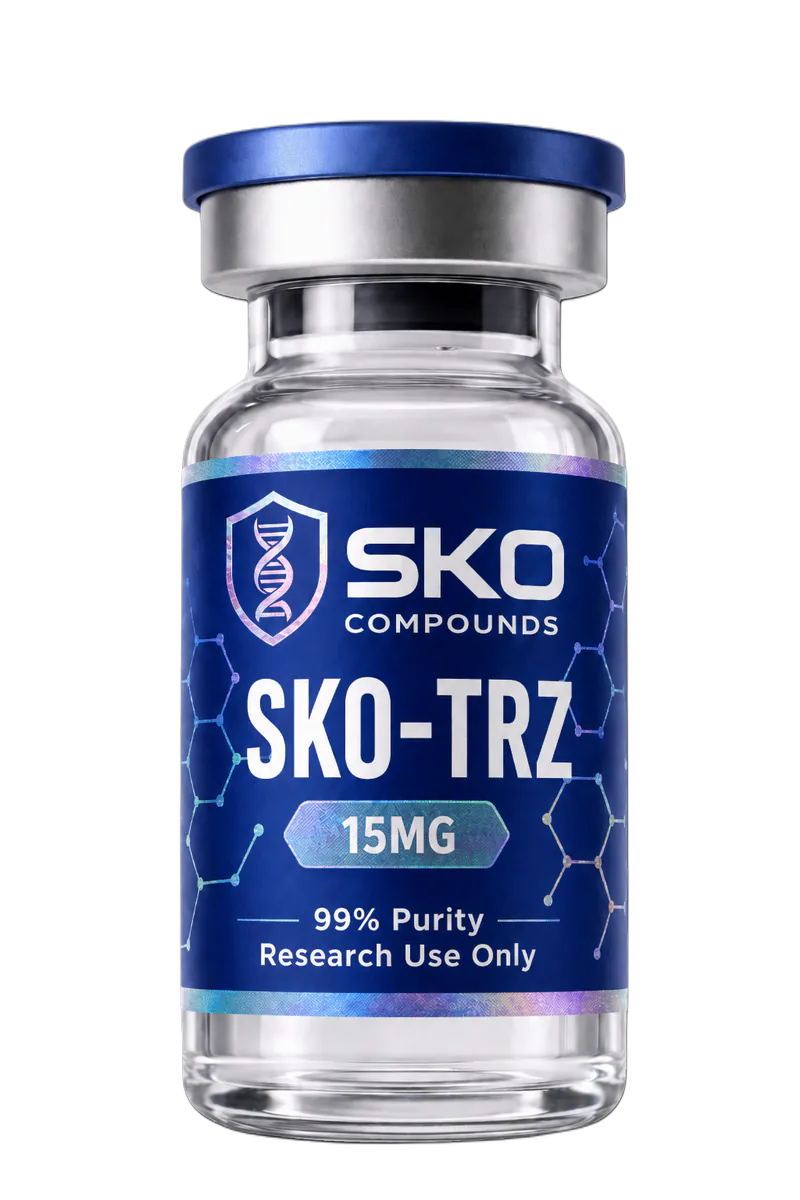
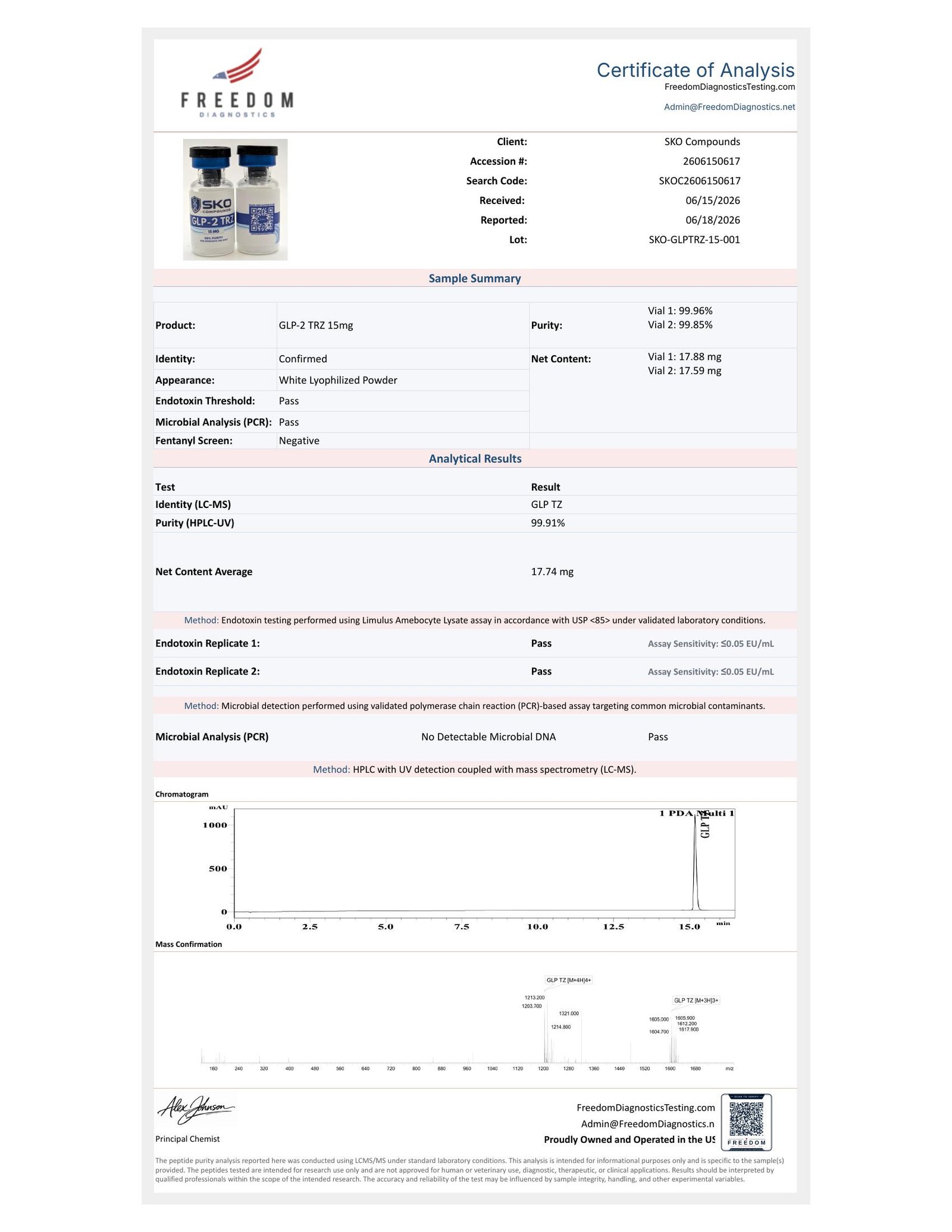
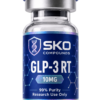
SKO-TRZ Peptide
SKO-TRZ is a synthetic dual receptor agonist research peptide supplied strictly for in-vitro and preclinical laboratory research. Studied in controlled experimental models for incretin receptor signaling, glucose-handling pathway assays, and lipid metabolism characterization. Premium Research Peptide. For research use only — not for human or animal consumption.
SKO-TRZ is a synthetic peptide engineered to mimic key incretin hormones in the body. Operating similarly to dual-agonist pathways (such as GLP-1 and GIP receptor agonists), SKO-TRZ acts on specific biological receptors to optimize how the body processes energy, manages blood sugar, and signals satiety to the brain.
By targeting multiple receptors simultaneously—a mechanism often referred to in metabolic research as a “twincretin” effect—SKO-TRZ offers a multi-layered approach to metabolic health that traditional, single-receptor compounds simply cannot match.
# Key Benefits of SKO-TRZ Peptide
Preliminary data and ongoing laboratory studies highlight several powerful benefits associated with the SKO-TRZ peptide sequence:
-
Advanced Weight Management Support: SKO-TRZ plays a key role in slowing down gastric emptying (the rate at which food leaves your stomach) and signaling the brain’s satiety centers. This results in a natural reduction of appetite and caloric intake.
-
Enhanced Lipolysis (Fat Breakdown): Beyond just suppressing appetite, SKO-TRZ has been shown to support lipolysis—the physiological process of breaking down stored fat cells to be used as active energy.
-
Improved Glycemic Control: By stimulating glucose-dependent insulin secretion from pancreatic beta cells, the peptide helps maintain balanced blood sugar levels without causing sudden spikes or dangerous crashes.
-
Cellular and Metabolic Optimization: Researchers observe that SKO-TRZ improves overall insulin sensitivity, allowing muscles and tissues to utilize glucose much more efficiently.
## SKO-TRZ Peptide FAQ
To help optimize this page for Google’s featured snippets, here are answers to the most frequently asked questions regarding SKO-TRZ.
# How does SKO-TRZ differ from traditional GLP-1 peptides?
Traditional weight management peptides typically only target the GLP-1 (glucagon-like peptide-1) receptor. SKO-TRZ utilizes a dual-action mechanism, activating both GLP-1 and GIP (glucose-dependent insulinotropic polypeptide) pathways. This synergistic approach often produces more pronounced metabolic results in laboratory settings.
#What is the recommended SKO dosage?
In standard scientific literature, peptides of this nature are typically introduced at a low loading dose (such as 2.5 mg injected subcutaneously once per week) to allow the system to adapt. Over a period of several weeks, the dosage may be incrementally adjusted based on research goals and tolerability. Always consult a healthcare professional or specific research protocols before determining a regimen.
# Are there any side effects of SKO?
Like most metabolic peptides, the most common side effects are gastrointestinal. Users and test subjects frequently report mild nausea, indigestion, constipation, or localized redness at the injection site. These effects are generally temporary and diminish as the body adapts to the peptide.
Storage Notice: To maintain maximum structural integrity and purity, SKO-TRZ should be stored in a cool, dry place away from direct sunlight. Once reconstituted with bacteriostatic water, the vial must be kept refrigerated at 2°C to 8°C.
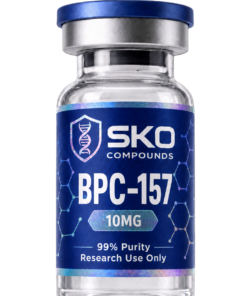
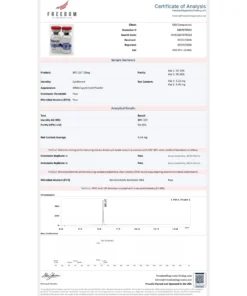
Reviews
There are no reviews yet.