
nad peptide
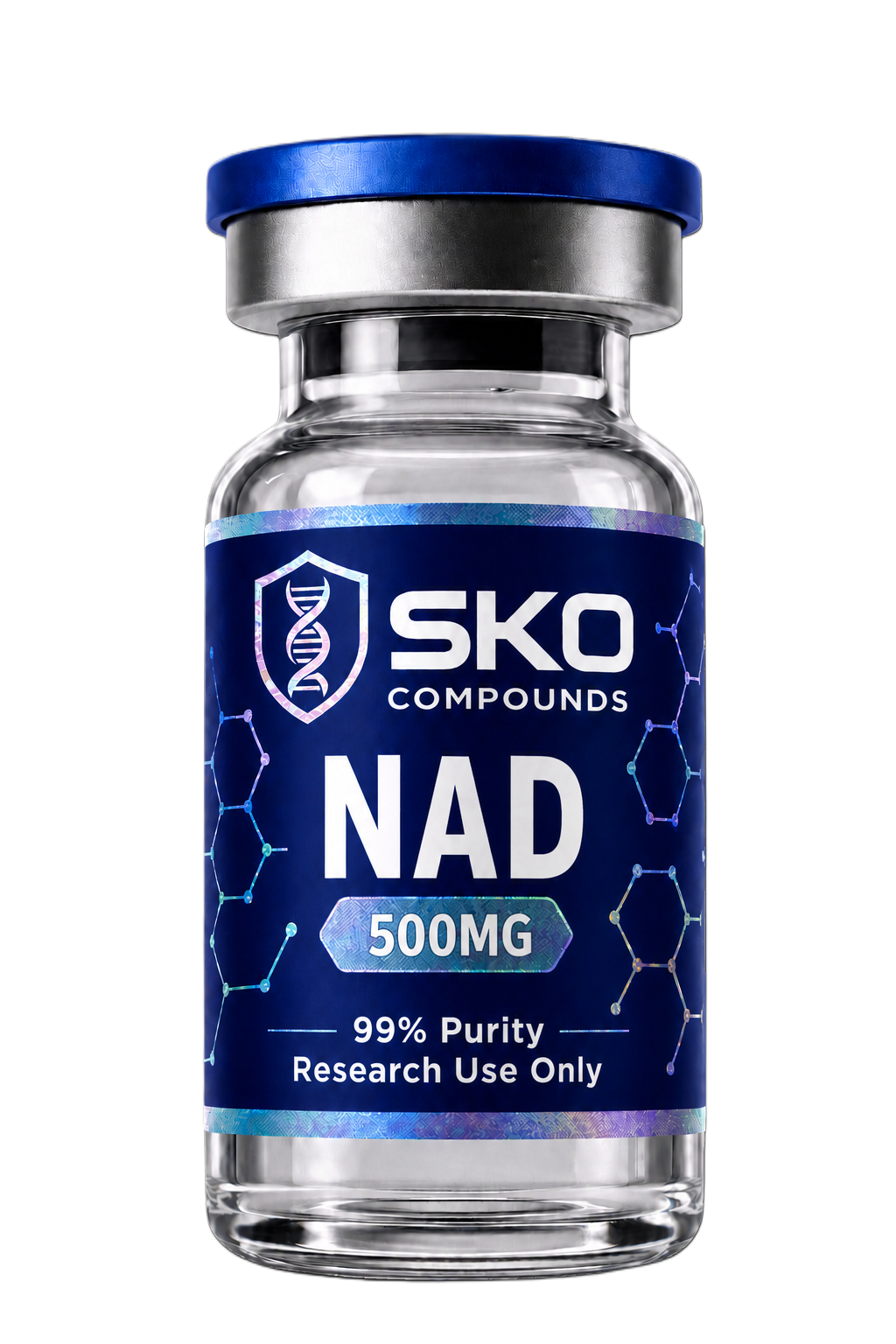
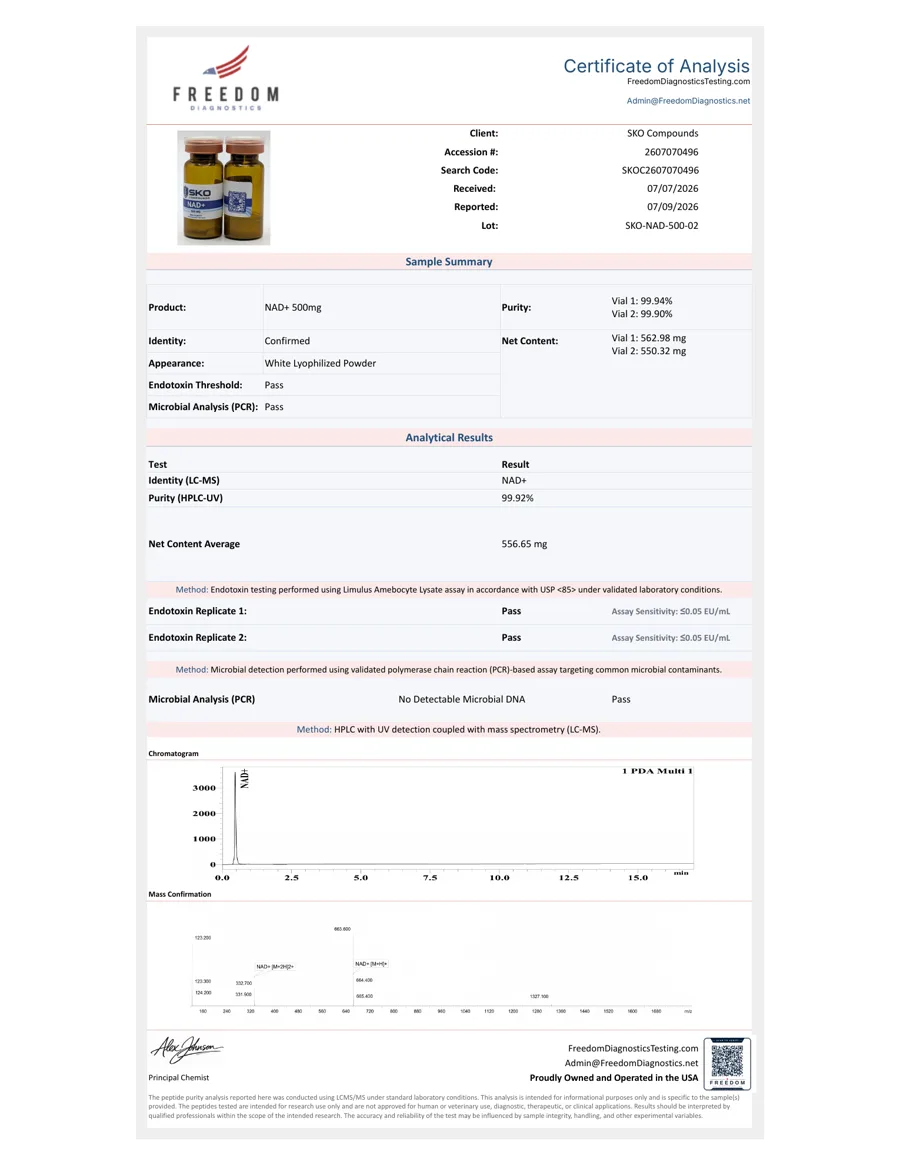
NAD is a coenzyme research compound supplied strictly for in-vitro and preclinical laboratory research. Studied in controlled experimental models for cellular metabolism pathway assays, DNA-repair mechanism characterization, and sirtuin signaling analysis. For research use only — not for human or animal consumption.
NAD+ is a coenzyme, not a peptide. Peptides are short chains of amino acids, while NAD+ is a dinucleotide that transfers electrons to generate cellular energy (ATP). It is heavily researched for its potential to support DNA repair, metabolism, and healthy aging. [1, 2, 3]
Understanding the structural difference and clinical focus of these treatments helps clarify how they work:
-
- What it is: Nicotinamide Adenine Dinucleotide (NAD⁺) works inside mitochondria to regulate energy and cellular maintenance. Levels naturally decline with age, which has driven the popularity of NAD⁺ IV drips and injections. [1, 2, 3]
- Real chemical classification: NAD⁺ contains no amino acids or peptide bonds. The term “NAD peptide” is a marketing label rather than a scientific category. [1, 2]
- Potential benefits: Users often seek NAD⁺ for improved cognitive clarity, reduced fatigue, and cellular recovery. [1, 2, 3, 4]
- Evidence base: While laboratory and animal studies show promising results for longevity and cellular health, robust human clinical trials on the effectiveness of NAD⁺ supplementation remain ongoing. [1, 2]
If you are considering NAD⁺ or peptide therapies, tell me what your goals are (e.g., energy, injury recovery, anti-aging), and I can provide more targeted information or help you understand how to discuss these evidence-based treatments with a qualified healthcare provider.
| Dosage | 1000MG, 500GM |
|---|
Reviews
There are no reviews yet.